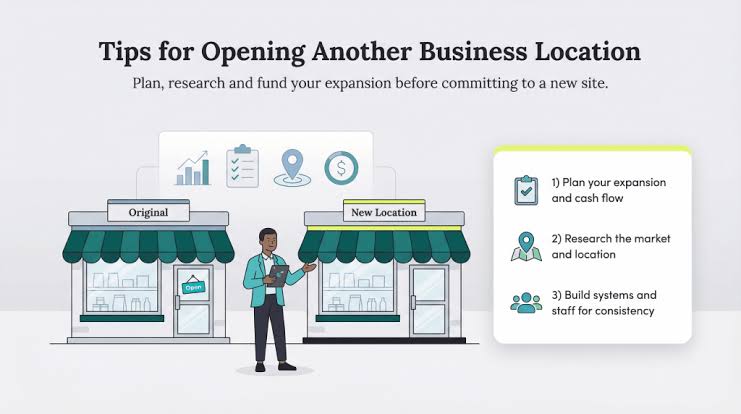
Expanding to a Second Branch? A Practical Checklist for Lease & Installment Businesses
Opening a second branch is one of the most exciting — and most risky — moments in an installment business's growth. Get the systems right before you open the doors, and growth compounds smoothly. Get them wrong, and you spend your first year firefighting instead of growing. Here's a practical checklist. Decide what stays centralized and what doesn't, on paper, before day one. Inventory, staff, and customer accounts should generally be branch-specific, while accounting consolidation and overall business reporting should roll up to the owner. If you haven't decided this clearly in advance, your team will improvise it inconsistently once the branch is live. Set branch-specific sale policies deliberately. A new branch in a different city may need different down-payment minimums or installment terms based on local market conditions — decide this intentionally rather than copying the first branch's policy by default and hoping it fits. Make sure defaulter checks are cross-branch from day one. This is the single most common mistake in expansion: a customer who defaulted at Branch A walks into the new Branch B and gets approved, because nobody there has any way to see Branch A's history. If your systems don't support a cross-branch defaulter check the moment the second branch opens, you're re-exposing yourself to a risk you already solved once. Assign a branch admin with real, scoped authority — not a copy of head-office access. Branch admins should be able to run their branch fully day-to-day (staff, customers, accounts, inventory) without having visibility into other branches' data. This protects both branches and keeps accountability clean. Plan your reporting cadence before you need it. Decide, in advance, how often you'll review consolidated company-wide numbers versus per-branch numbers, and make sure whatever system you're using can actually produce both views without manual compilation. Test the day-closing and month-closing process before it's the only branch open on a Friday evening. A branch that can't cleanly close its cash position at day-end will accumulate small discrepancies that are painful to unwind later. Expansion should feel like doing more of what already works — not like starting over. If your existing systems and workflows can extend cleanly to a new location with correct branch isolation and consolidated owner reporting, you're ready. If every part of this checklist requires new manual workarounds, that's a signal to fix your systems before you fix your growth plan.